
Category: Volume 1
-
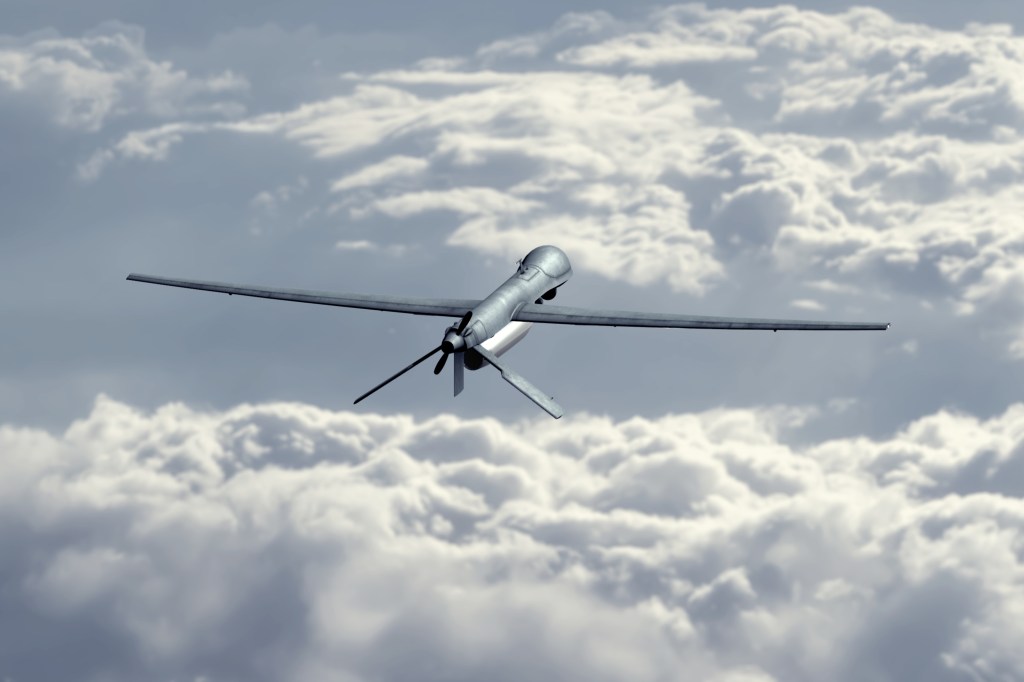
Identifying Cybersecurity Vulnerabilities in the Realm of Urban Air Mobility
This article examines the cybersecurity risks that accompany the rise of urban air mobility, including threats to both crewed and uncrewed aircraft systems. Using the emerging air taxi and air metro market as context, it argues that digital vulnerability may become one of the industry’s most pressing safety concerns. The piece urges regulators and industry…
-
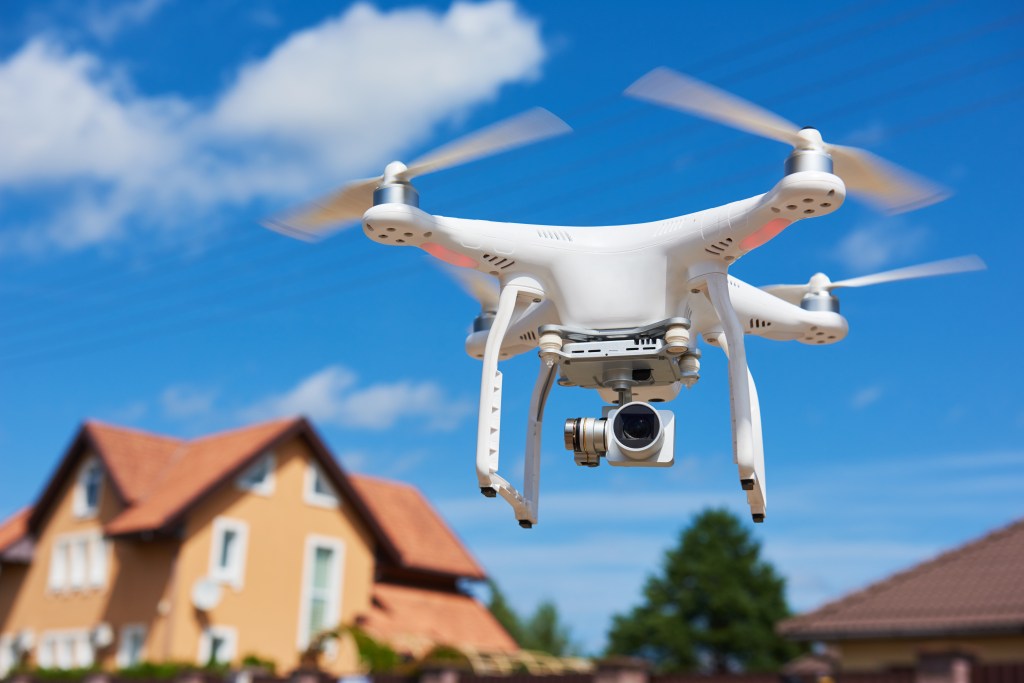
A Multi-Industry Examination of Drone Use: How the Regulatory Environment and Public Perception Issues Shape the Ability of End Users to Leverage Uncrewed Aircraft Systems
This article explores how drones are transforming a wide range of industries—from agriculture and construction to public safety and telecommunications—while highlighting the regulatory and public perception challenges that shape adoption. It argues that although drones offer significant gains in efficiency, safety, and data collection, fragmented regulations and societal concerns continue to limit their full integration…
-
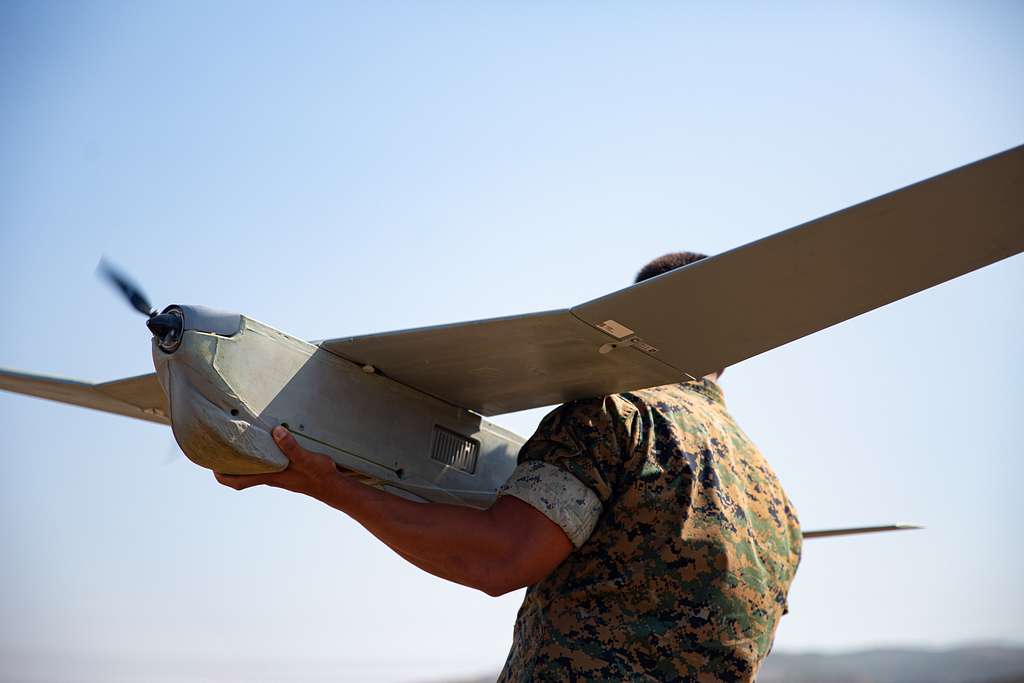
Aerial Insurgency: Non-State Actor Use of Uncrewed Aerial Vehicles and Public International Air Law Implications
This article examines the growing use of drones by non-state actors, including terrorist groups and insurgents, through the lens of public international air law. It analyzes how existing frameworks—particularly the Chicago Convention—apply to UAV operations and state responses, highlighting legal gaps and constraints. The piece argues that international aviation law may offer underutilized tools for…
-
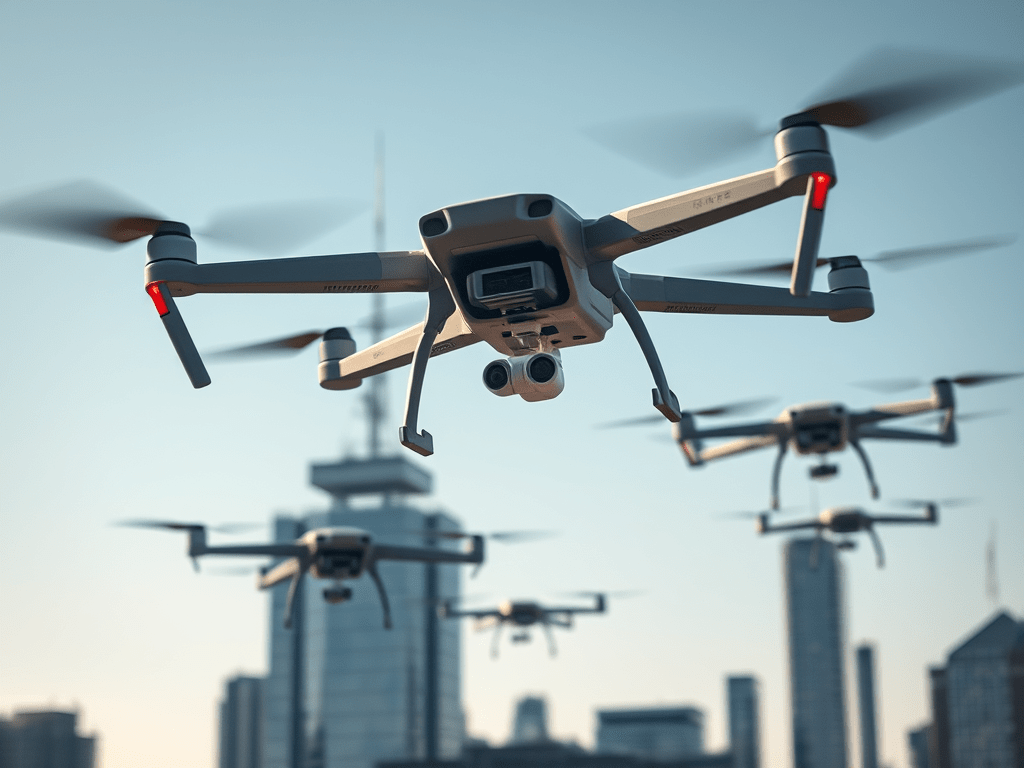
The State of Drones: What Room Is Left For States To Establish an Uncrewed Aircraft Regulatory Scheme?
This article analyzes the evolving balance between federal and state authority in regulating drones within the United States. It explores preemption doctrine, FAA authority, and the growing need for state-level regulation to address issues like privacy, trespass, and public safety. Using Mississippi as a case study, it argues that states can and should play a…
 Center for Air and Space Law