
Category: Drone Law Lab
-

The DJI Ban and the Limits of U.S. Tech Regulation
The latest fight over Chinese-made drones is being framed as a battle over one company, one product line, or even one country. It is not. It is a test of whether the United States can regulate strategically in a sector where national security, commercial dependence, industrial policy, and administrative law are now deeply intertwined. This…
-
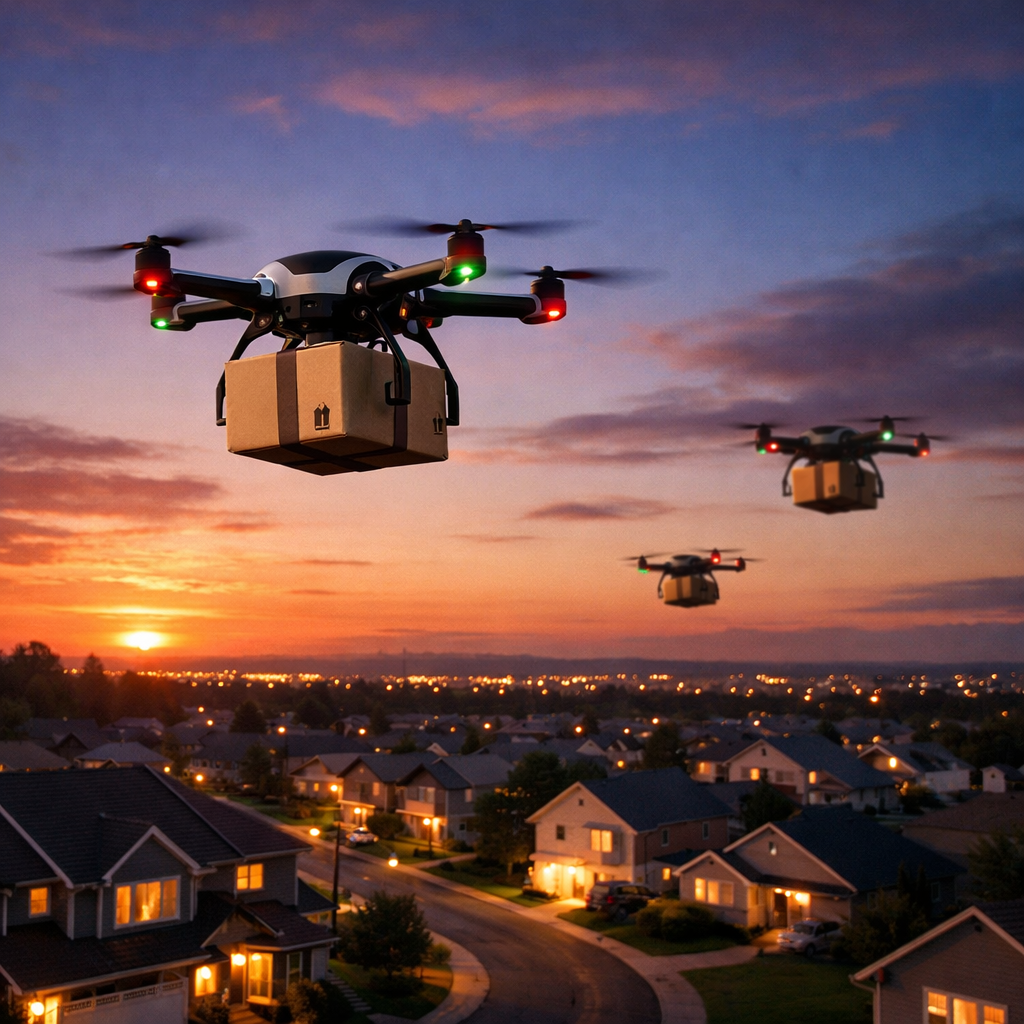
The 200-Foot Problem: Drone Delivery and the Coming Property Rights Collision
There’s a version of the drone delivery debate that sounds almost boring. Safety. Efficiency. Innovation. Convenience. And then there’s the version we actually had in the Drone Law Lab. It’s about property. Power. And whether the federal government is quietly on the verge of authorizing one of the largest redistributions of property rights in modern…
-

When a Drone Is a Crime and Stopping It Is One Too
The text discusses the challenges faced by law enforcement in dealing with drone incursions over prisons, where they witness contraband deliveries but are legally restricted from intervening. The central issue is the misalignment between existing federal laws governing airspace and the evolving threats posed by drones. While current laws protect against immediate dangers, they fail…
-

AI, Targeting and the Future of Human Judgment in War
A recent policy discussion at the Center for Air and Space Law examined a scenario that captures one of the most consequential questions emerging in modern warfare. A state deploys an AI-enabled drone system designed to identify and strike military targets using real-time data and machine learning. The system has been extensively tested and consistently…
-

Drone Journalism, Disaster Response, and the Limits of Privacy Law
The rapid growth of drone technology is forcing courts and policymakers to confront an increasingly complex question: how should privacy law apply when drones are used to document major public events such as disasters?
-
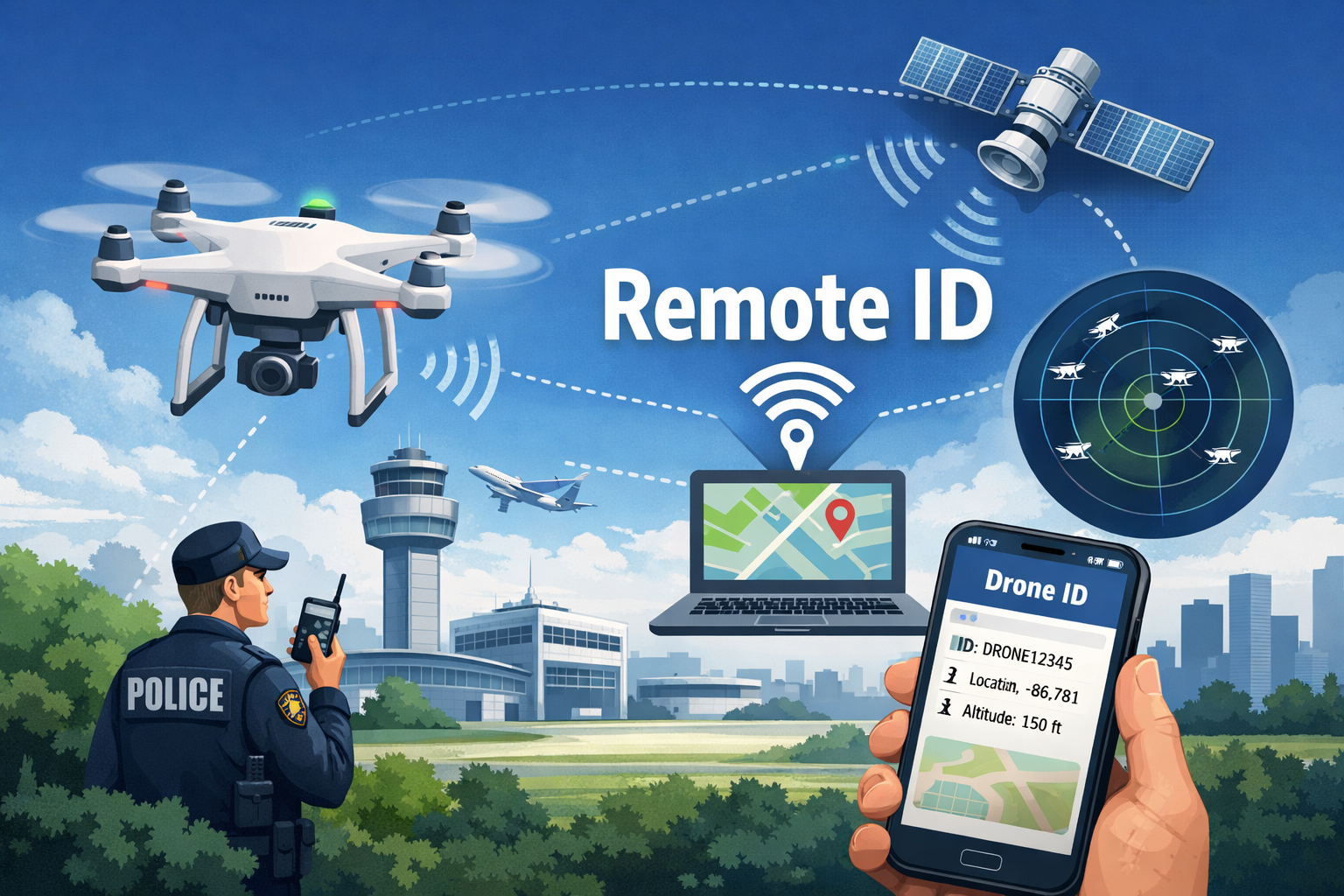
Remote ID, Surveillance and the Fourth Amendment
As drones become more common in the national airspace system, regulators face a difficult balancing act: enabling safe integration of unmanned aircraft while protecting the privacy and constitutional rights of those who operate them. The FAA’s Remote Identification (Remote ID) rule represents one of the agency’s most significant steps toward managing this challenge. The rule…
-
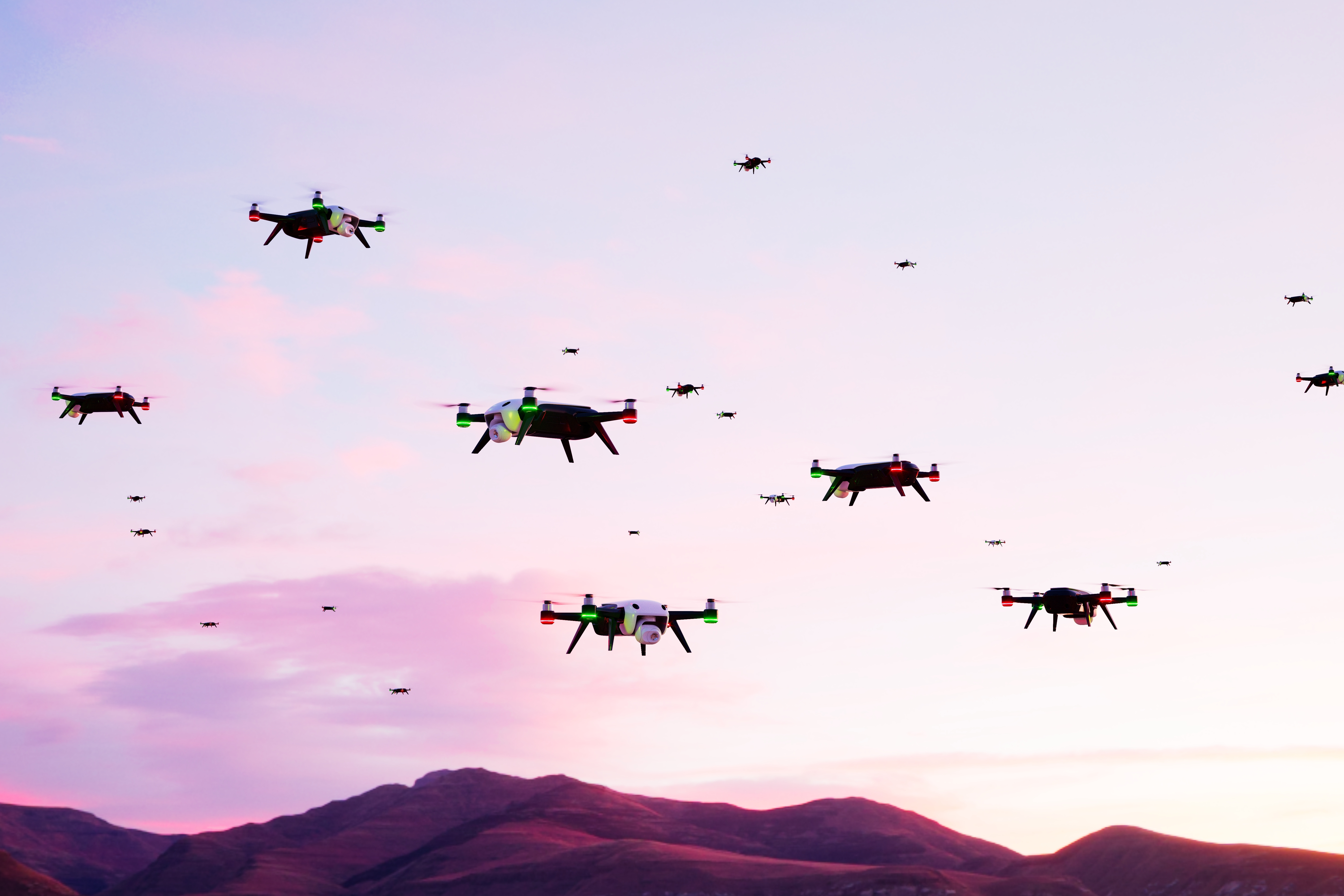
The Evolving Regulatory Framework for Uncrewed Aircraft Systems
Over the past decade, the United States has moved from experimental integration of unmanned aircraft systems (UAS) toward a structured regulatory framework designed to support routine operations in the National Airspace System (NAS). This transition reflects both the rapid proliferation of drones across commercial, recreational, and public safety sectors and the Federal Aviation Administration’s ongoing…